


If you have been asked for a fire risk assessment by an insurer, landlord or fire and rescue service, it can be difficult to know what the document must contain. In England and Wales, the responsible person has a legal duty to assess fire risks and, since October 2023, to record the assessment in full. This guide explains what to include, what to keep and when to ask a competent assessor for help.
Who is responsible for the fire risk assessment?
The Regulatory Reform (Fire Safety) Order 2005 applies to most non-domestic premises in England and Wales. The responsible person is usually the employer, building owner, landlord or another person who has control of the premises, depending on the circumstances. More than one responsible person may have duties in a shared building, so each should understand and coordinate their responsibilities.
The responsible person must make a “suitable and sufficient” assessment of fire risks to relevant people, including employees, visitors and contractors. They must also put appropriate and proportionate fire precautions in place. The legal duty remains with the responsible person even if an external assessor carries out the work.
For blocks of flats, the Order generally applies to shared areas and relevant building features, not inside individual private dwellings. Common parts can include corridors, stairways and entrance areas; the assessment must also consider relevant flat entrance doors and external walls. Scotland and Northern Ireland have different fire safety legislation, so this article focuses on England and Wales.
What does a suitable and sufficient assessment cover?
An assessment should reflect how the premises are actually used, who may be there and the fire precautions that are in place. It is not simply a form to complete or a list of hazards without follow-up.
In practice, work through these steps:
- Identify fire hazards: consider ignition sources such as cooking, electrical equipment and hot works; combustible materials and other fuel; and the oxygen that can support a fire.
- Identify people at risk: include employees, lone workers, visitors, contractors, sleeping occupants and anyone who may need additional assistance to evacuate.
- Evaluate and reduce risk: remove hazards where possible, or reduce them with appropriate controls. Consider how fire and smoke could spread.
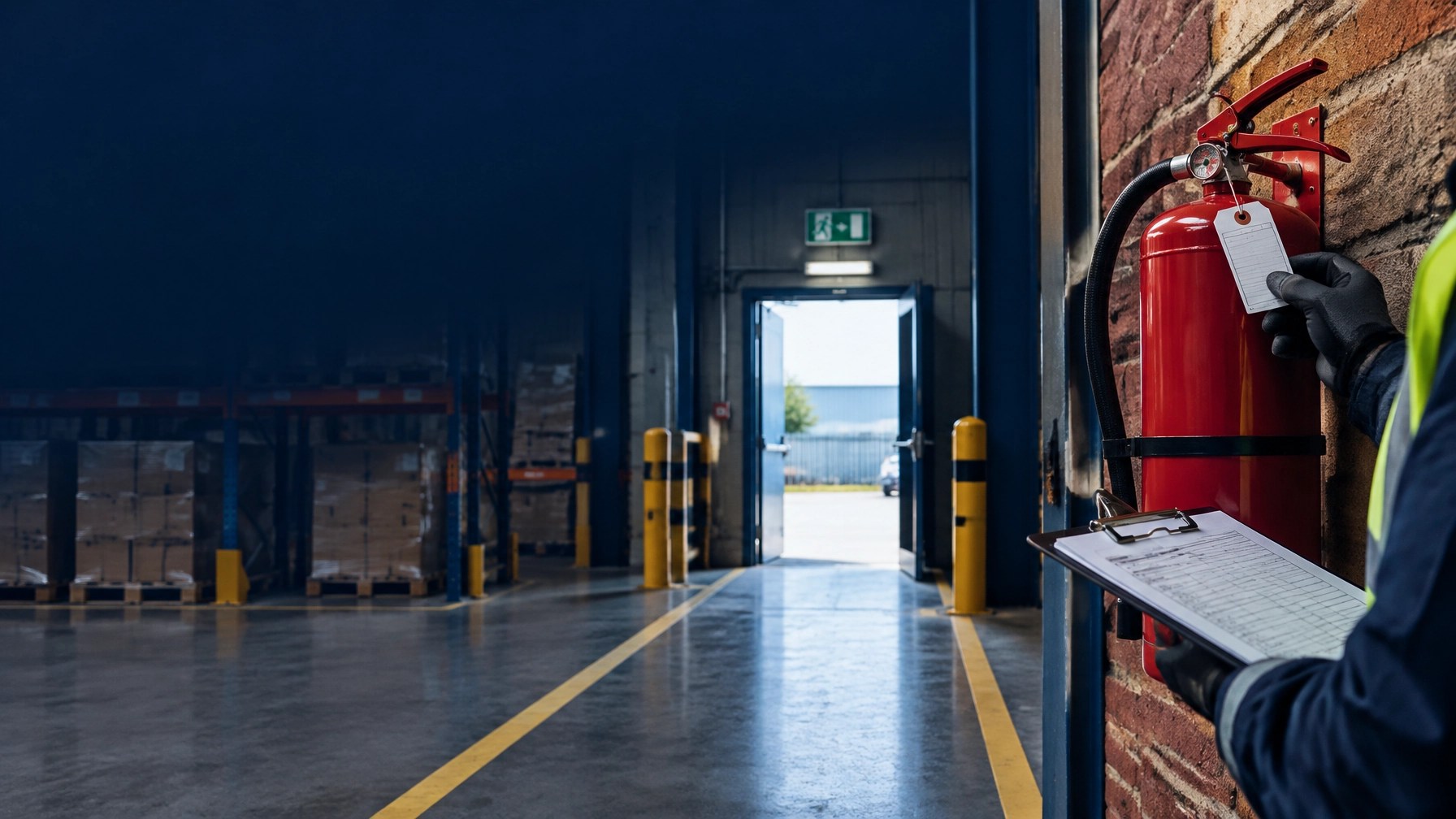
- Plan for emergencies: check detection and warning, escape routes, emergency lighting, signs, firefighting equipment, assembly points and arrangements for accounting for people.
- Review the arrangements: confirm that controls are maintained and that staff understand the actions expected of them.
What must the responsible person record and keep?
Since 1 October 2023, following changes made by section 156 of the Building Safety Act 2022, responsible persons must record the fire risk assessment in full, in all circumstances. The previous recording threshold based on having five or more employees, holding a licence or being subject to an alterations notice no longer applies. The Home Office’s Section 156 guidance explains the changes.
A useful fire risk assessment record should make the findings and actions clear. It should include:
- Premises: address, use, areas covered, relevant building details and the date of assessment.
- People: who uses the premises and any groups who may be especially at risk.
- Hazards and findings: ignition sources, fuel, existing precautions, escape routes and any defects or risks identified.
- Fire precautions: detection and warning arrangements, firefighting equipment, signage, emergency lighting and servicing or maintenance information.
- Emergency arrangements: the evacuation plan, assembly point, staff roles, assistance for people who need it and how the arrangements are communicated.
- Actions and accountability: measures already in place, further work required, who is responsible and when actions should be completed.
- Assessment details: the assessor’s name and, where applicable, organisation; their competence; and the responsible person’s contact details, including a UK address.
- Management arrangements: how fire safety measures are monitored and maintained, and when the assessment will be reviewed.
Keep the assessment and related records where they can be readily accessed by the responsible person and provided to an enforcing authority if requested. In shared premises, coordinate with other responsible persons and keep a record of who is responsible for which areas. In buildings with two or more sets of domestic premises, relevant fire safety information must also be provided to residents in an easily understood format.
Who can carry out an assessment?
There is no single qualification that every assessor must hold. However, the assessment needs to be suitable and sufficient, and anyone you appoint should have enough knowledge, training and experience to assess the risks in your premises. The responsible person must be satisfied the work is competent and remains responsible for acting on the findings.
A straightforward, small workplace may be within the capability of a suitably knowledgeable responsible person. Consider bringing in a specialist for sleeping risks, high-rise buildings, complex layouts, significant quantities of flammable materials, hot works, process risks, major changes or an enforcement notice. If you are unsure whether your premises are straightforward, seek competent advice rather than relying on a generic template.
How long does a fire risk assessment last?
There is no fixed statutory expiry date. The assessment must be reviewed regularly and updated when there is reason to believe it is no longer valid or there has been a significant change. That may include building works, a new layout or process, changes in staff numbers or occupancy, a fire, a near miss or a change in the people using the premises.
Many organisations review assessments at least annually as good practice, but the right interval depends on the premises and its risks. “It’s still in date” is not a defence if the assessment no longer reflects how the building is used. Record the review, any changes and the actions that follow.
What can happen if the assessment is inadequate?
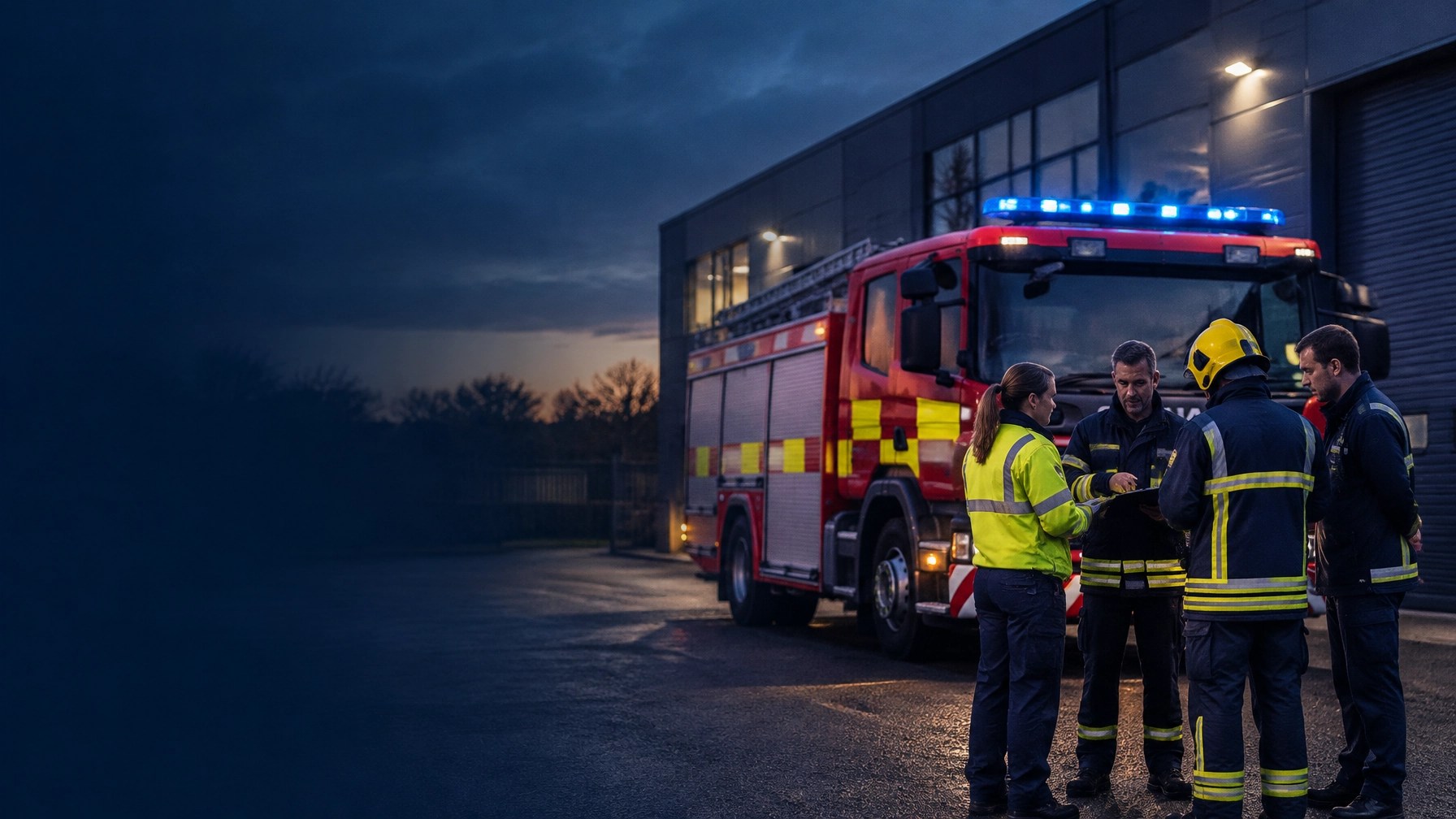
Fire and rescue services can inspect premises and may issue an alterations notice, an enforcement notice or a prohibition notice where the legal conditions are met. The action depends on the risks and circumstances. Failure to comply can lead to prosecution, unlimited fines and, in serious cases, imprisonment.
Common problems include assessments that are generic or never adapted to the premises, missing records or review dates, blocked escape routes, extinguishers that are out of service, no evacuation plan for people with reduced mobility, and little evidence of staff training. A document is not enough if it does not connect to what people actually do.
Make the assessment work in practice
A fire risk assessment should connect the written findings with the equipment, training and day-to-day arrangements on site. For example, identified extinguisher needs should align with suitable equipment and its servicing; staff responsibilities should be supported by appropriate training; and evacuation arrangements should be understood and practised.
Aero Fire & Rescue Service Ltd provides commercial and residential fire risk assessments, alongside fire safety services including extinguisher hire and servicing, waking watch and evacuation management. Where a higher-risk residential building cannot yet rely on its normal arrangements, waking watch may be used as an interim measure while appropriate longer-term measures are addressed. Fire safety training can help staff understand their roles.
A fire risk assessment cost depends on factors such as the premises’ size, use, complexity and the agreed scope. Ask what areas will be assessed, what the report will cover and whether follow-up support or equipment servicing is included; there is no responsible way to give a meaningful price without understanding the requirements.
Frequently asked questions
Is a fire risk assessment a legal requirement?
Yes. Under the Regulatory Reform (Fire Safety) Order 2005, the responsible person must assess fire risks to relevant people and take appropriate fire precautions. The assessment must be recorded in full, including its findings and fire safety arrangements. The Order applies in England and Wales; other parts of the UK have different legislation.
How often does a fire risk assessment need reviewing?
There is no fixed statutory expiry date or universal review interval. Review it regularly, and whenever there is a significant change or reason to think it may no longer be valid. Many organisations use an annual review as good practice, alongside reviews after building works, changes in use, fires or near misses.
Can I do my own fire risk assessment?
You can carry out the assessment yourself if you have the knowledge, training and experience to assess your premises’ risks and produce a suitable and sufficient record. The responsible person remains accountable. For complex, higher-risk premises or situations you are unsure how to assess, appoint a competent specialist.
What happens if I don’t have one?
The enforcing authority may inspect and take action if fire safety duties are not being met. Depending on the circumstances, this could include an enforcement or prohibition notice and prosecution. Serious offences can carry unlimited fines and, in some cases, imprisonment. The responsible person should address the risk promptly rather than wait for an inspection.
Next step
If you need a new assessment or want to check whether your existing record reflects your premises, request a quote from Aero Fire & Rescue. Call 0330 111 3635 for support, 24/7 across the UK and Ireland.
Leave a Reply